
Understanding the psychological triggers that drive gambling behavior
The Allure of Uncertainty
The thrill of uncertainty is a significant psychological trigger in gambling behavior. When individuals engage in gambling activities, they often experience a mix of hope and anxiety about the outcome. This anticipation can create a powerful emotional response, leading them to chase the excitement of potential wins. The unpredictability of results often compels players to take risks they might not consider in other areas of life, especially when exploring top online casinos.
This desire for unpredictability can be linked to the brain’s reward system. When a player wins, the brain releases dopamine, a chemical associated with pleasure and reward. This positive reinforcement encourages repeated behavior, making the individual more likely to return to the gaming environment in hopes of replicating that euphoric experience.
Social Influence and Peer Pressure
Social factors can significantly impact gambling behavior. Many individuals are influenced by their peers or social circles, which can create an environment where gambling is normalized or even encouraged. The desire to fit in or impress others can lead individuals to gamble more than they originally intended. This social pressure often skews personal judgment, leading to riskier gambling choices.
Additionally, the rise of social gambling platforms has made it easier for friends to engage in gambling together, further enhancing this social influence. The shared experience can amplify the psychological triggers, as individuals often perceive the act of gambling as a bonding activity, overshadowing the inherent risks involved.
The Illusion of Control
The illusion of control is another critical psychological trigger that impacts gambling behavior. Many gamblers believe they can influence the outcome of games through skill or strategy, even in games of chance like slots or roulette. This misconception can encourage continued participation, as players feel empowered to make decisions that will lead to success.
This false sense of control can be particularly dangerous; it may lead players to develop superstitions or rituals they believe will improve their odds. These behaviors can deepen their engagement with gambling, making it challenging to recognize when their play becomes problematic.
The Role of Marketing and Environment
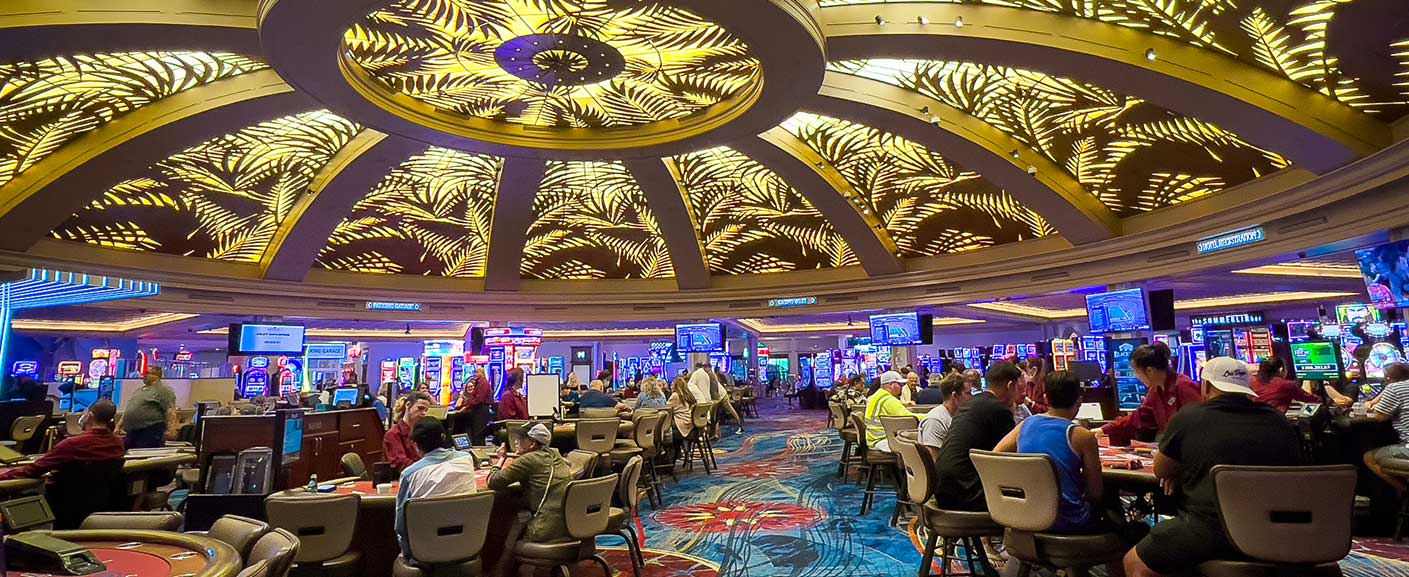
Marketing strategies and the physical environment of gambling venues are designed to enhance emotional responses and promote longer play. Bright lights, sounds of winning, and free rewards all create a sensory experience that can be difficult to resist. This carefully curated environment not only attracts gamblers but also keeps them engaged for extended periods.
Moreover, promotional tactics such as bonuses and loyalty programs tap into the psychology of reward. They encourage players to keep gambling in hopes of unlocking additional incentives, which can lead to increased spending and, subsequently, gambling addiction.
Explore Responsible Gaming Practices
Understanding the psychological triggers that drive gambling behavior is essential for fostering responsible gaming practices. Being aware of these influences can empower individuals to make informed choices and recognize when their gambling habits may be crossing a line. Education and awareness are vital components in promoting a healthier relationship with gambling.
For those interested in gambling, it’s crucial to engage in platforms that prioritize player safety and responsible gaming. Familiarizing oneself with the various resources available can provide support and guidance in maintaining a balanced approach to gambling activities.